

Sports PR (sports public relations) is the strategic communication that athletes, clubs, leagues and sports brands use to build their reputation, manage their relationship with the media and fans, and get the most out of sponsorships. It covers media relations, personal branding, crisis communication, sponsorship activation and community engagement.
Sport is one of the few things that still gathers massive live audiences, which makes it a powerful platform for any brand. But that visibility works both ways: a good story can turn an athlete or a sponsor into a global reference, and a badly managed controversy can damage a reputation in hours.

What does sports PR include?
- Media relations: press releases, interviews, press conferences and relationships with sports journalists.
- Personal branding: shaping the public image of athletes and coaches, on and off the field.
- Crisis communication: injuries, controversies, transfers or scandals.
- Sponsorship activation: turning a sponsorship deal into stories, content and coverage.
- Fan and community relations: social media, events and social impact projects.
What does PR mean in football?
In football (soccer), PR stands for public relations: the work that clubs, players and their sponsors do to manage their reputation and communicate with the media and fans. Most professional clubs have a communications or press department that handles press conferences, player interviews, club announcements and crisis communication.
In American football statistics, however, “PR” usually means punt return (and “KR”, kick return), which has nothing to do with communication.
Why is public relations important in sport?
Athletes, teams, and sports organizations aim not only to succeed in their disciplines but also to take advantage of the immense benefits offered by the industry. Public relations in sports can help athletes:
Media relations
Press releases, interviews, press conferences and relationships with sports journalists.
Crisis management
Like any other industry, sports are not immune to crisis. Controversial statements, public scandals or media accusations are common factors in this industry. Public relations play a vital role handling these situations effectively to manage communications in the best way, protecting reputation and minimising media impact.
Having a specialised press office allows for strategic and effective communication management, ensuring quick responses aligned with the brand’s values in order to preserve its credibility.
Maximise the impact of sponsorships
PR ensures that these collaborations are carried out effectively.. Brands seek return on investment through visibility and lasting partnerships.
Connect with fans and communities
Fans are the most valuable asset in sport. PR helps clubs and athletes build a two-way relationship with them through social media, events and social causes, which in turn makes them more attractive to sponsors.
PR for athletes
For an athlete, a career on the field is short, but a personal brand can last much longer. Good athlete PR focuses on:
- Building a consistent personal brand and story.
- Media training for interviews and press conferences.
- Managing social media and their direct relationship with fans.
- Choosing sponsors and partners that fit their values.
- Preparing the transition after retirement.
PR for clubs and sports brands
Clubs, leagues, events and sports brands use PR to announce signings and partnerships, protect their reputation, attract sponsors and position themselves beyond results. For a non-sports brand, sport is a way to reach audiences with strong emotional engagement.
How to do sports PR: step by step
- 1. Define your goals: reputation, visibility, sponsorship value, fan engagement.
- 2. Know your audiences: fans, media, sponsors, local community.
- 3. Build your story: what makes the athlete, club or brand different.
- 4. Plan your media relations: sports, general and trade press, plus podcasts and creators.
- 5. Prepare for crises: have a protocol and trained spokespeople before you need them.
- 6. Measure results: coverage, sentiment, engagement and sponsor return.
Examples of successful sports PR campaigns
High-profile professional athletes serve as effective tools for promoting brands and taking them to the next level. Many people, especially younger generations, aspire to be like their sports idols. Leveraging an athlete’s image can provide a significant boost in brand sales. Below are four successful examples of athlete-driven campaigns:
Serena Williams and Bumble – 2019
Beyond her success on the tennis court and being considered one of the greatest athletes in history, Serena Williams has been the face of multiple campaigns and has a well-defined public image. “The ball is in her court“ was a campaign launched by the social networking app Bumble, in which Serena promoted female empowerment, encouraging women to take initiative in all aspects of their lives. The campaign was unveiled during the 2019 Super Bowl final, one of the top five most-watched sporting events year after year, with an average viewership of 98.2 million in that edition.

Messi and Adidas – 2018
Sports brand Adidas has one of the world’s greatest footballers, Lionel Messi, as an ambassador for its football line. The debate over whether Messi is the greatest player of all time has been ongoing throughout his career. To reinforce this, Adidas launched a campaign to introduce a new range of football boots. The campaign revolved around the word “GOAT”, which stands for “Greatest of All Time”, and featured Messi posing alongside real goats. This association reinforced Messi’s image as the greatest footballer in history while also solidifying Adidas as a leading brand in sports.

Community Jameel and Jameel Motorsport, “Future Goals” – 2026
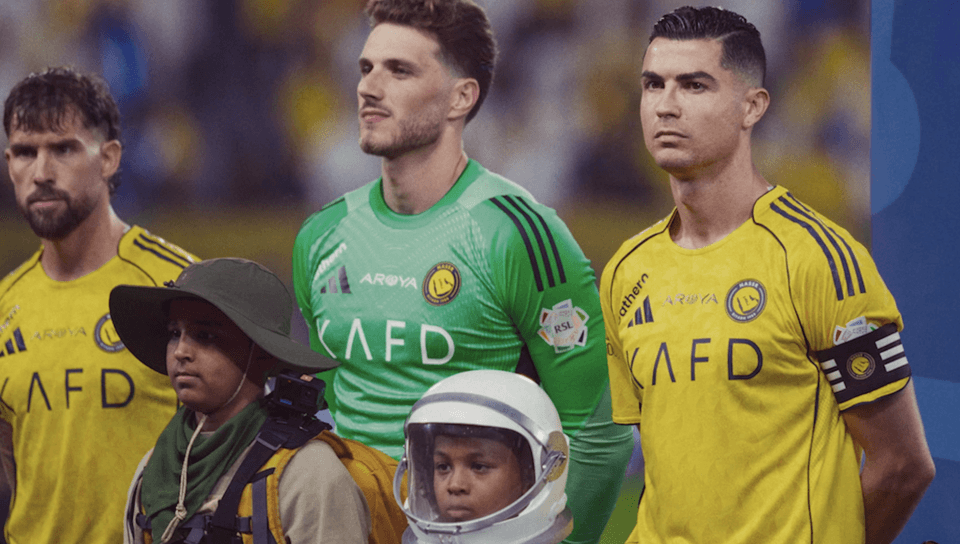
Community Jameel Saudi and Jameel Motorsport launched a campaign celebrating the dreams and ambitions of orphaned and vulnerable children. During a high-profile football match between Al Nassr and Al Ahli, the children walked onto the pitch alongside professional players, dressed as the professionals they aspire to become, from doctors and engineers to athletes.
The campaign used the power of sport to raise awareness, create an emotional connection with audiences and highlight the importance of supporting children’s futures. By combining a meaningful social message with a high-visibility sporting event, it generated media attention and strengthened the organisations’ association with social impact.
Rip the Script, Nike – 2026
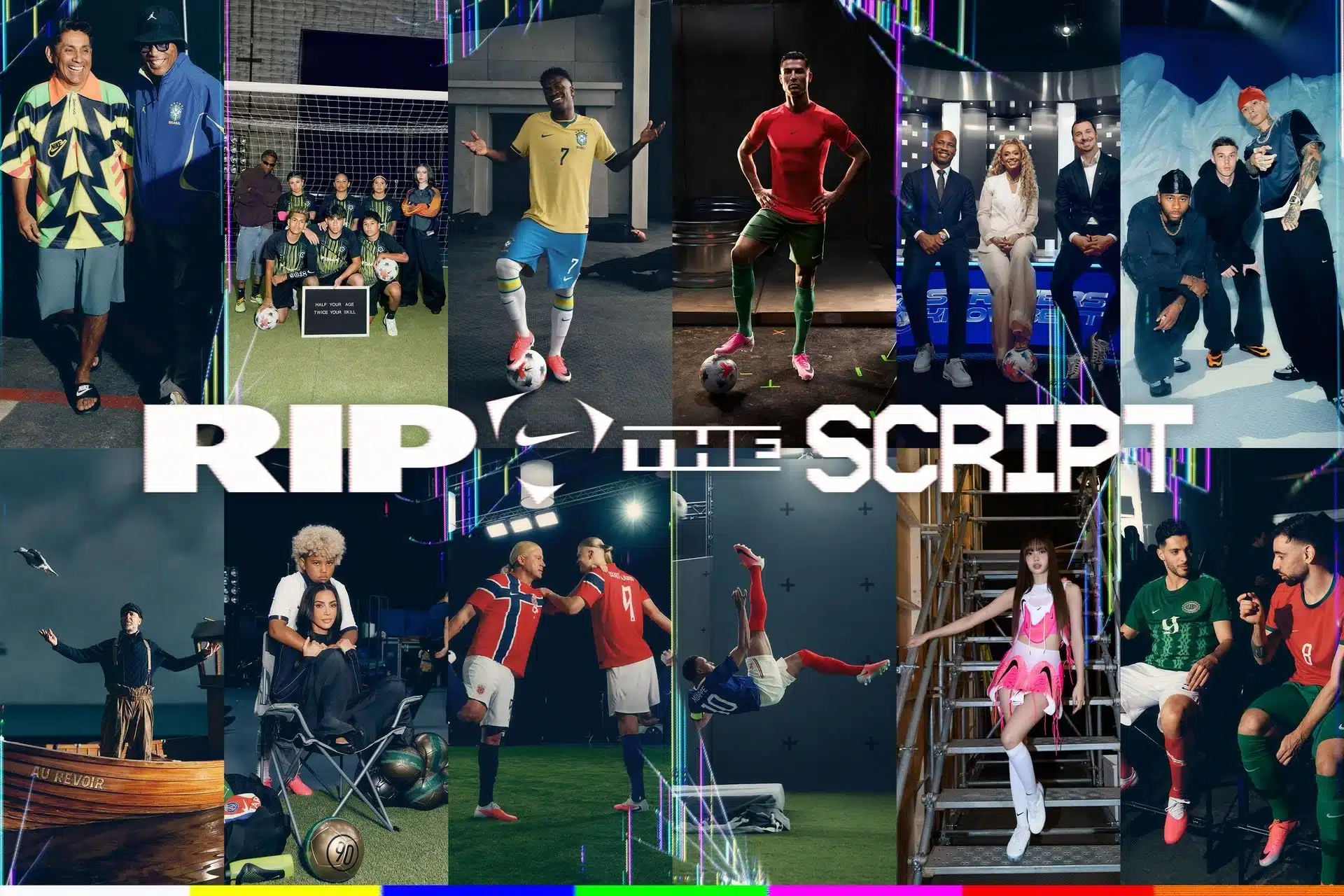
Nike’s “Rip the Script” campaign celebrates creative, instinctive and joyful football, encouraging players to break away from traditional tactics and trust their instincts. The campaign film features global football stars such as Cristiano Ronaldo, Kylian Mbappé, Erling Haaland and Vini Jr., alongside legendary players and figures from sport and entertainment, including Ronaldinho and LeBron James. The film shows the stars breaking away from expectations and playing instinctively, bringing the campaign’s message to life through unexpected interactions, humour and spectacular football moments.
How LF Channel can help
From securing 11 product reviews and generating 1.41 billion OTS for Mibro to helping Formula Student reach a potential audience of 6.2 million, our work demonstrates how strategic sports PR builds brand credibility, strengthens positioning and amplifies visibility.
If your company needs specialized campaigns or is launching a new product or brand, at LF Channel we will be happy to support you. Contact us and we will help you find the best solution.
FAQs
What does a sports PR agency do?
A sports PR agency manages media relations, press conferences and interviews, builds the personal brand of athletes, handles crisis communication and turns sponsorships into stories and media coverage.
What is the difference between sports PR and sports marketing?
Sports marketing promotes products, tickets or events, mostly through paid channels. Sports PR builds reputation and trust through earned media, storytelling and relationships with journalists and fans.
Why is PR important for athletes?
PR helps athletes build a personal brand that attracts sponsors, protects their reputation in a crisis and prepares their career beyond competition.
