
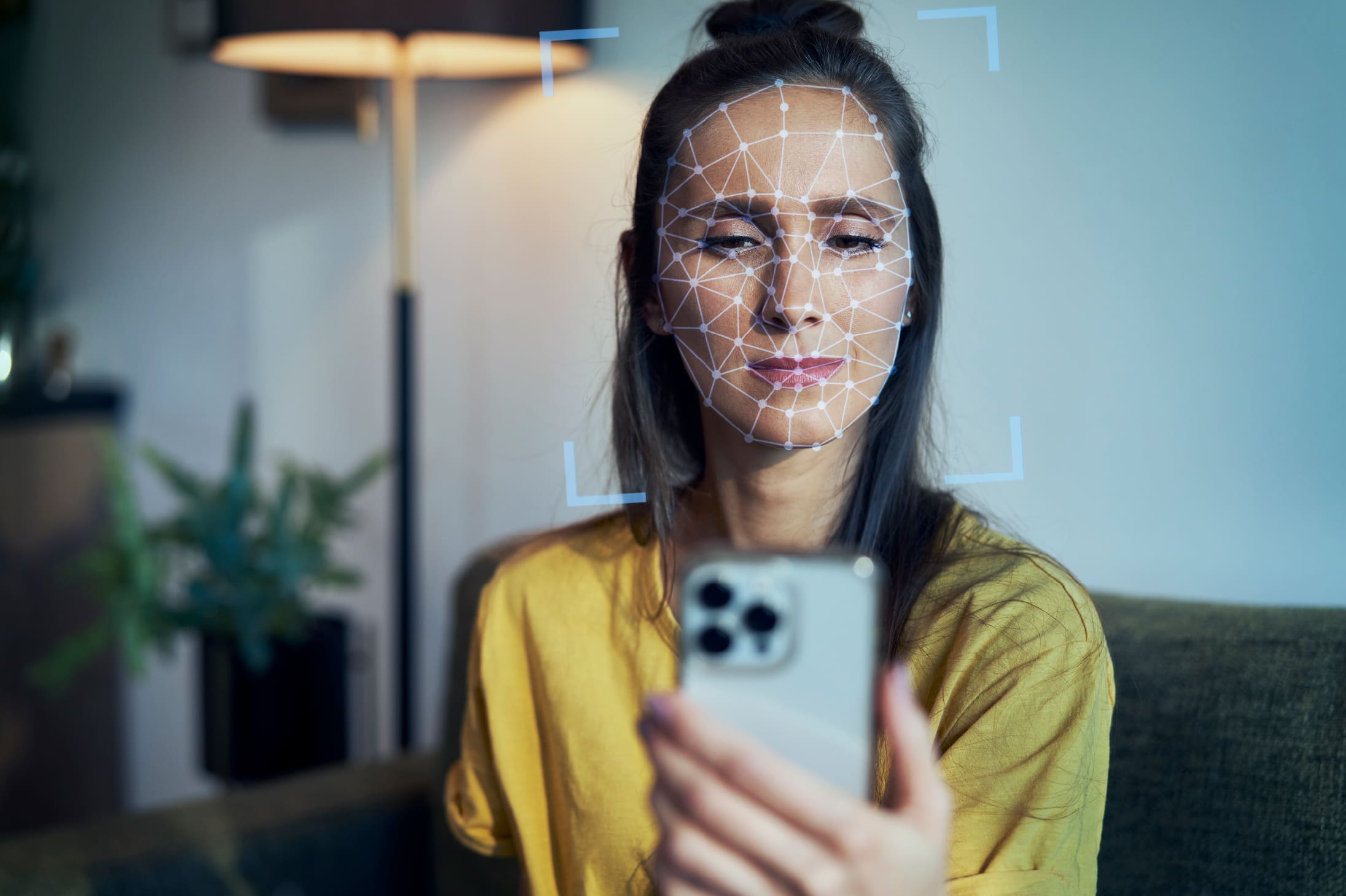
When the DANA storm devastated Valencia in October 2024, social media was filled with related content within minutes. Dramatic videos, shocking photos, theories about the causes, accusations of those responsible… The problem was that a significant portion of the content circulating was false. This pattern repeats in every crisis. Social networks amplify first, verify later (if at all). By the time corrections arrive, misinformation has already done its work, shaping perceptions and feeding false narratives.
And this doesn’t only affect natural disasters or public events. Companies face exactly the same risk. In March 2025, a CFO in Singapore authorized a transfer of $499,000 during a video call with their CFO and other executives. Everything seemed normal until they discovered that all participants in the call were deepfakes, AI-generated audiovisual forgeries that mimic the voice and appearance of real people.
The question in situations like these, which are increasingly common, is where truth stands in an environment where anyone can create seemingly credible content in minutes. And how do you protect your reputation when misinformation travels faster than facts? The answer lies in a place many consider dead: traditional media. But not as we knew it before. Its role has evolved from information gatekeepers (the intermediaries who historically controlled access to and distribution of content) to essential verifiers in an ecosystem where credibility is the scarcest asset.
The crisis of trust: when everything seems real but almost nothing is
We live in an information paradox: we have never had so much access to information and, at the same time, so much uncertainty about what is real and what is not. AI tools can create visual, audio, and text content so convincing that distinguishing the authentic from the fabricated has become almost impossible for the untrained eye.
Social media has democratized content creation, but it has also eliminated editorial filters that historically separated verified information from rumors. An influencer with millions of followers can share incorrect information without real consequences beyond, perhaps, deleting the post. There are no prior verification mechanisms, no editorial accountability, and no institutional fact-checking; that is, no one is cross-checking data, sources, and claims before content reaches the public.
This does not mean that social media is the enemy. They are extraordinary tools for amplifying messages, generating conversation, and building community. But their function is not to verify; it is to amplify. And that is where the problem lies when the information being amplified is false.
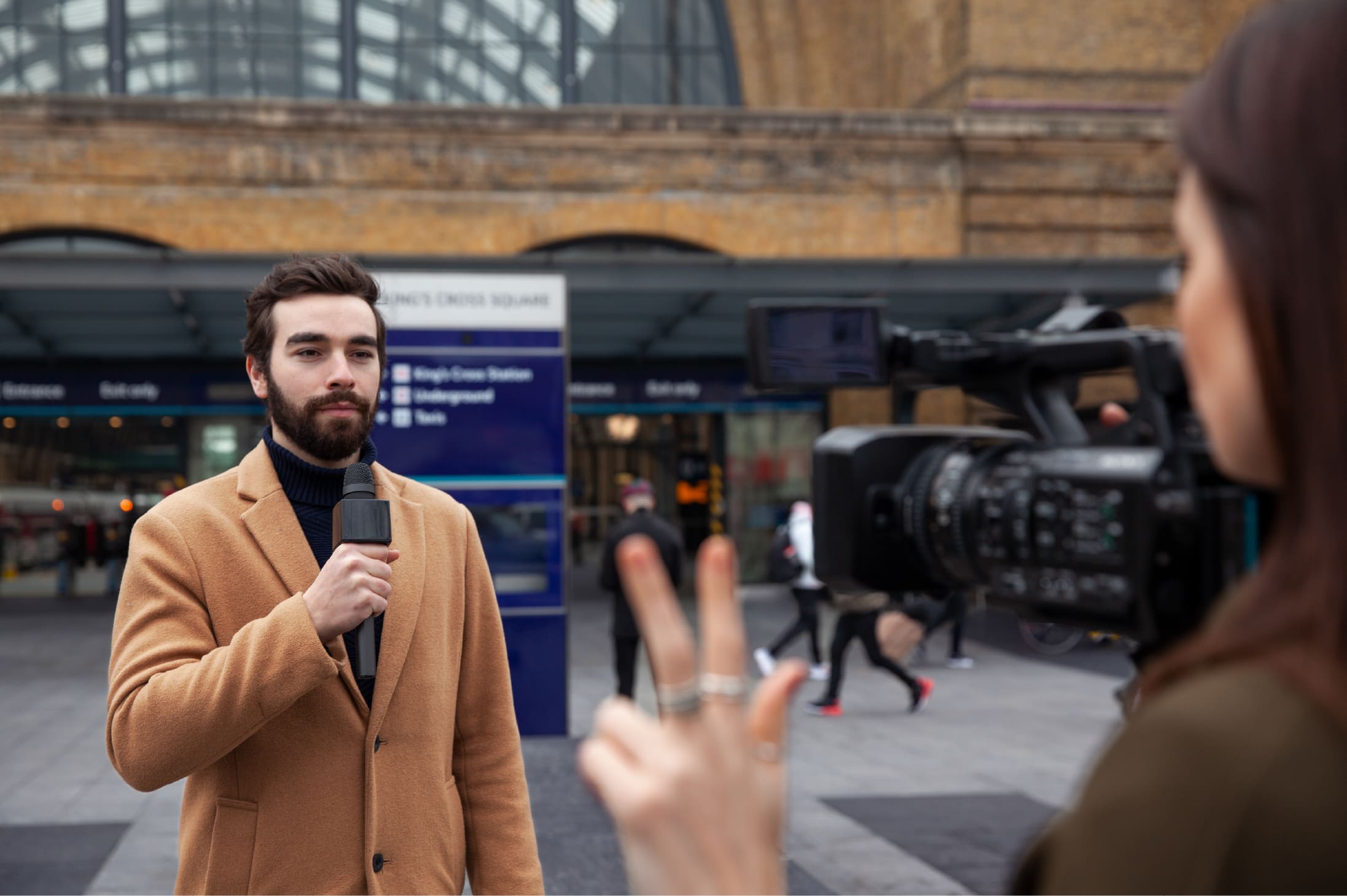
Why traditional media is your reputational shield against deepfakes
In this chaotic context, traditional media have become the firewall separating verified information from digital noise. Not out of nostalgia or professional romanticism, but for very concrete reasons that have a direct impact on brand protection.
Verification as a business model, not an extra
Traditional media risk their credibility and, with it, their business model with every piece they publish. A serious mistake or false information can cost them audience, advertisers, institutional credibility, and in extreme cases, legal action. This pressure strengthens journalistic processes such as source verification, fact checking, editorial accountability chains, and integrating fact checking as part of the process.
When El País, RTVE, or Bloomberg publish something about your company, that information has passed through multiple filters. You may not like what they say, but you know they verified it before publishing. This institutional verification of information is what turns media coverage into a reputational shield.
Transparency in traceability
Another key advantage of verified media is transparency about the origin of information. In a journalistic article, you know who says what; you can trace sources, cross-check data, and verify claims. Quotes are attributed, data has an identifiable origin, and there is accountability for every statement.
Contrast this with the opacity of social media, where the amplification chain of content is diffuse. Who said it first? Where did that data come from? What interests does the sharer have? Frequently, these questions have no clear answer, making it extremely difficult to effectively refute false information.
Real consequences and public corrections
Traditional media answer to regulators, organized audiences, professional associations, and ethical standards of the profession. When they make mistakes and they do, they are obliged to correct them publicly, and those corrections are recorded and easily accessible.
Digital platforms and social media content creators do not have these institutionalized mechanisms. A post is deleted and disappears without a trace, with no public correction and no clear consequences. This fundamental difference is what makes correcting misinformation in traditional media carry weight and credibility, while on social media it is usually insufficient.
From the trenches: what we have seen after 30 years working with media
At LF Channel, we have spent three decades helping companies navigate the media ecosystem. We have seen the full evolution, from sending press releases via fax to omnichannel strategies integrating traditional media, digital media, and social networks. And if we have learned anything, it is that verified media remain the central piece of any serious communication strategy.
Real case: Important decisions require reliable sources
In the education sector, we work with families making one of the most important decisions of their lives, choosing where to educate their children. Our work with international schools has shown a consistent pattern, families discover different educational options on social media but validate them in traditional media before making the final decision.
That is, they may learn about an educational institution through an Instagram post or a Facebook ad, but before committing tens of thousands of euros to education, they look for editorial coverage, opinions in specialized media, and rankings published by verified sources to ensure reliability. Media coverage acts as a seal of legitimacy that paid advertising content, no matter how well executed, cannot replicate.
The hybrid ecosystem
The strategic question is not “traditional media or social networks?” but “How do they work together to protect and build reputation?”
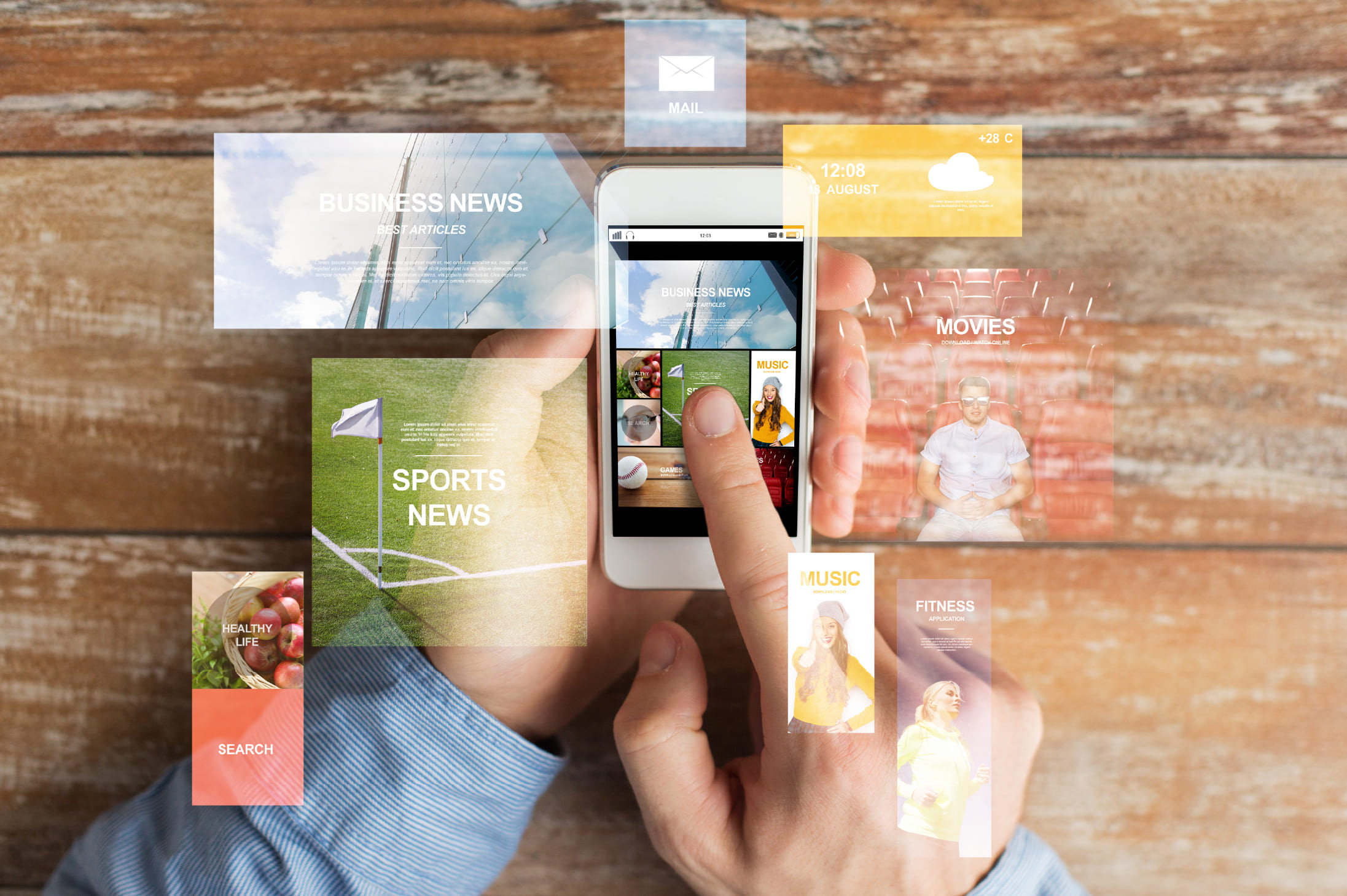
Social Media: Speed and Conversation
Social media is extraordinary for generating rapid reach, creating direct conversation with audiences, testing messages, building community, and maintaining constant presence. They are the channel where brands humanize, engagement is immediate, and you can react in real time. However, their function is not to verify or legitimize; it is to amplify and converse.
Traditional media: credibility and verification
Traditional media provide what social networks cannot: institutional credibility, rigorous verification, permanence over time, and legitimization. A news article or mention of your company on RTVE or El Español carries reputational weight that a corporate post on social media never will. Similarly, an interview in a reference medium positions you differently than dozens of posts on LinkedIn.
Traditional media are the channels where you build authority, establish thought leadership, and where information about your company is permanently recorded and accessible.
The winning strategy: complementary presence
The most effective strategy integrates both ecosystems with complementary roles. Social networks generate constant visibility and conversation. Traditional media legitimizes and verifies. Together, they create a reputational architecture far stronger than either alone.
We have seen this work time and time again when campaigns born on social media gain traction and consolidate when traditional media cover them. Also, vice versa, journalistic investigations published in traditional media amplify exponentially when social networks pick them up and comment on them. The power is in synergy, not in a binary choice.
What this means for your communication strategy
If your company’s reputation matters, and spoiler, it does, you cannot afford to ignore traditional media. It is not about “being in the news” for corporate vanity; it is about having a verified narrative about your brand before the information vacuum is filled with unverified or outright false content.
Prevention before reaction
The most effective strategy against misinformation is not reactive but preventive. Building strong relationships with verified media, positioning spokespeople as expert sources, and generating consistent coverage on relevant topics creates a credibility history that acts as protection when false information arises.
If the first time media covers information about your company is during a crisis, you are playing in hard mode. But if you are already a regular source, journalists know your work, and there is a history of transparency, crisis management becomes infinitely more manageable.
When misinformation hits
Inevitably, at some point false or misleading information about your company will circulate. When that happens, your best defense is to correct it through verified media, not corporate statements on your website that no one reads. Nor by posting endless threads on X explaining the truth. The best ally against misinformation about your organization is verified information, published by credible third parties, that establishes the facts accurately.
This only works if you already have trusted relationships with media and journalists, if you are an accessible and transparent source, and if you have built credibility before you need it.
B2B: Where verification matters most
In B2B communication, where stakeholders make important decisions based on information, verification matters exponentially more. A corporate buyer evaluating tech vendors, an investor analyzing where to place capital, or a board deciding which partners to work with are examples of profiles that validate information through verified sources before deciding.
Maintaining a constant presence in specialized media in your sector is not a nice to have; it is trust architecture that influences business decisions.
Traditional media are not dying; they are evolving
The narrative of “the death of traditional media” is, in itself, clickbait. Media are not dying; they are transforming their role within a more complex information ecosystem. From exclusive gatekeepers of information, they have become essential verifiers in a sea of unfiltered content.
At LF Channel, we have spent 30 years helping companies navigate the constant evolution of the media ecosystem. We have seen technologies arrive and transform how we communicate. But something remains constant: credibility is built on verifiable facts, communicated by reliable sources, and supported by rigorous processes. That does not change with technology. If anything, it becomes more valuable.
Do you want to know how to build a verified presence that protects your reputation before misinformation has a chance? Let’s talk.
