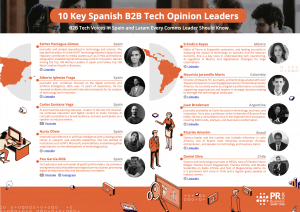
As technology is everywhere these days: at work, in shops, and even in the appliances we use at home. It sparks enormous interest, but also distrust, fear, and confusion. How will these technological advances affect my life and my job? Which brands are truly pioneering innovation? Can the new tech companies emerging almost every week really be trusted?
This is where thought leaders — also known as influencers or Key Opinion Leaders (KOLs) — come into play. In the technology sector, these are individuals with authority, expertise, and strategic vision who help bring clarity to the overwhelming amount of information available online.
How to communicate about B2B technology
In the consumer technology space, we have long been accustomed to seeing thought leaders become genuine influencers, chances are that before buying a new smartphone or gadget, you have watched a review on YouTube or checked social media recommendations. Today, these trusted and independent voices are becoming increasingly influential within the B2B ecosystem because of the confidence they inspire.
For many years, B2B communications focused on building trust through company-generated content such as white papers, webinars, blog posts, press releases, and similar materials. However, this approach is changing dramatically. Why? Primarily because people tend to trust subject-matter experts more than companies themselves, which are often perceived as having a commercial agenda. As a result, the most relevant conversations around technology now revolve around influential individuals such as company founders, CTOs, CIOs, investors, and consultants. These figures bring significant credibility and are the voices audiences increasingly turn to before making purchasing decisions. In this new landscape, the way B2B technology companies communicate must evolve. Here are a few recommendations:
* LinkedIn as a key communication channel
LinkedIn has established itself as the leading platform for professional influence in technology, particularly within the Spanish-speaking market. It is currently the primary social network for discussions around AI, digital transformation, and emerging technologies. Technology companies should prioritise this channel as a way to participate in meaningful industry conversations, identify influential voices, and engage with other organisations. In addition, employee advocacy on LinkedIn has proven to be significantly more effective than corporate communications — generating up to 12 times more engagement!
* A PR strategy focused more on thought leadership.
For company generated information to be credible, it must provide genuine value to potential customers. That is why communication strategies should focus less on promoting products directly and more on sharing unique market insights, lessons learned, use cases, and thoughtful reflections that position the company as a trusted authority in a specific field. It is also advisable to appoint an official spokesperson who can become the company’s expert voice and public face. To succeed in this role, the spokesperson should be comfortable speaking publicly and able to authentically represent the brand’s values.
Explore our infographic to learn how to become an effective spokesperson.